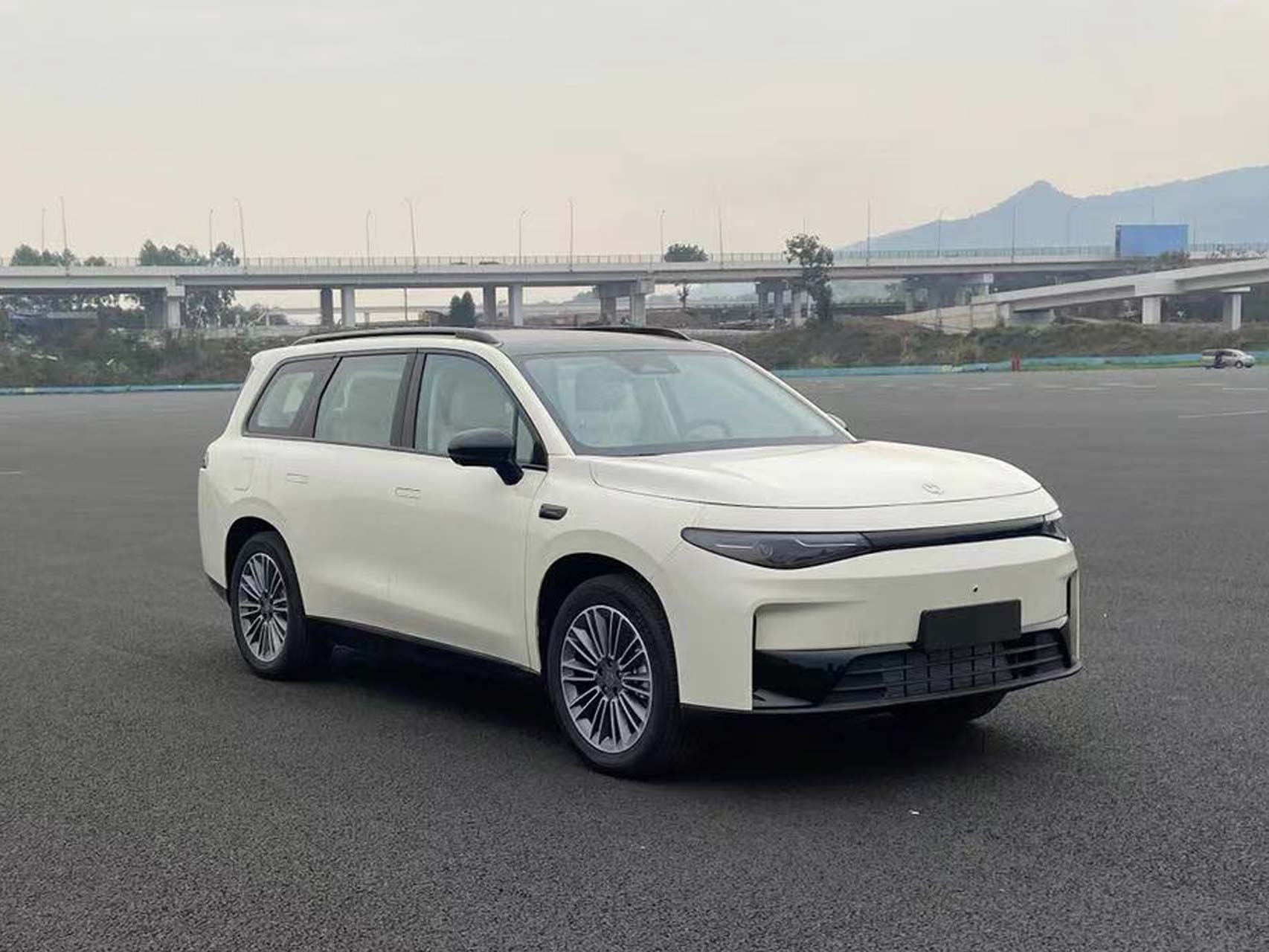
Kuwait Council of Ministers has approved a landmark plan to convert the entire government vehicle fleet to electric by 2030, representing one of the most ambitious public sector fleet electrification programmes in the Middle East. The initiative covers over 25,000 vehicles across all government ministries, agencies, and public institutions, making it a significant step toward Kuwait environmental sustainability goals.
The conversion will be implemented in three phases to ensure operational continuity and allow for infrastructure development. Phase one, beginning immediately, targets 5,000 vehicles in ministries based in Kuwait City, where charging infrastructure is most readily available. Phase two will extend to suburban government facilities by 2028, while the final phase will cover remote installations and specialised vehicles by 2030.
The financial case for the transition is compelling. Government fleet vehicles currently consume approximately 180 million litres of fuel annually, costing the state over 50 million KWD in fuel subsidies. The switch to electric vehicles is projected to reduce government fuel expenditure by 60 percent annually, generating savings that will offset the higher initial purchase cost of electric vehicles within four to five years of operation.
Kuwait will work with international EV manufacturers to secure competitive pricing through bulk purchasing agreements. Preliminary discussions with Tesla, BYD, Hyundai, and Mercedes-Benz have indicated potential volume discounts of 15 to 25 percent below retail pricing. A dedicated government procurement office has been established to manage the tender process and ensure vehicles meet specific requirements for the Kuwait operating environment, including enhanced cooling systems and dust-resistant components designed for desert conditions.